Remodeling · June 8, 2026 · 8 min read
From Dated to Stunning: Remodeling Sacramento's Mid-Century Ranch Homes
Sacramento County is full of 1950s-1970s ranch homes with great bones and dated interiors. Here's how to modernize the kitchen, baths, and finishes while keeping the home's character.
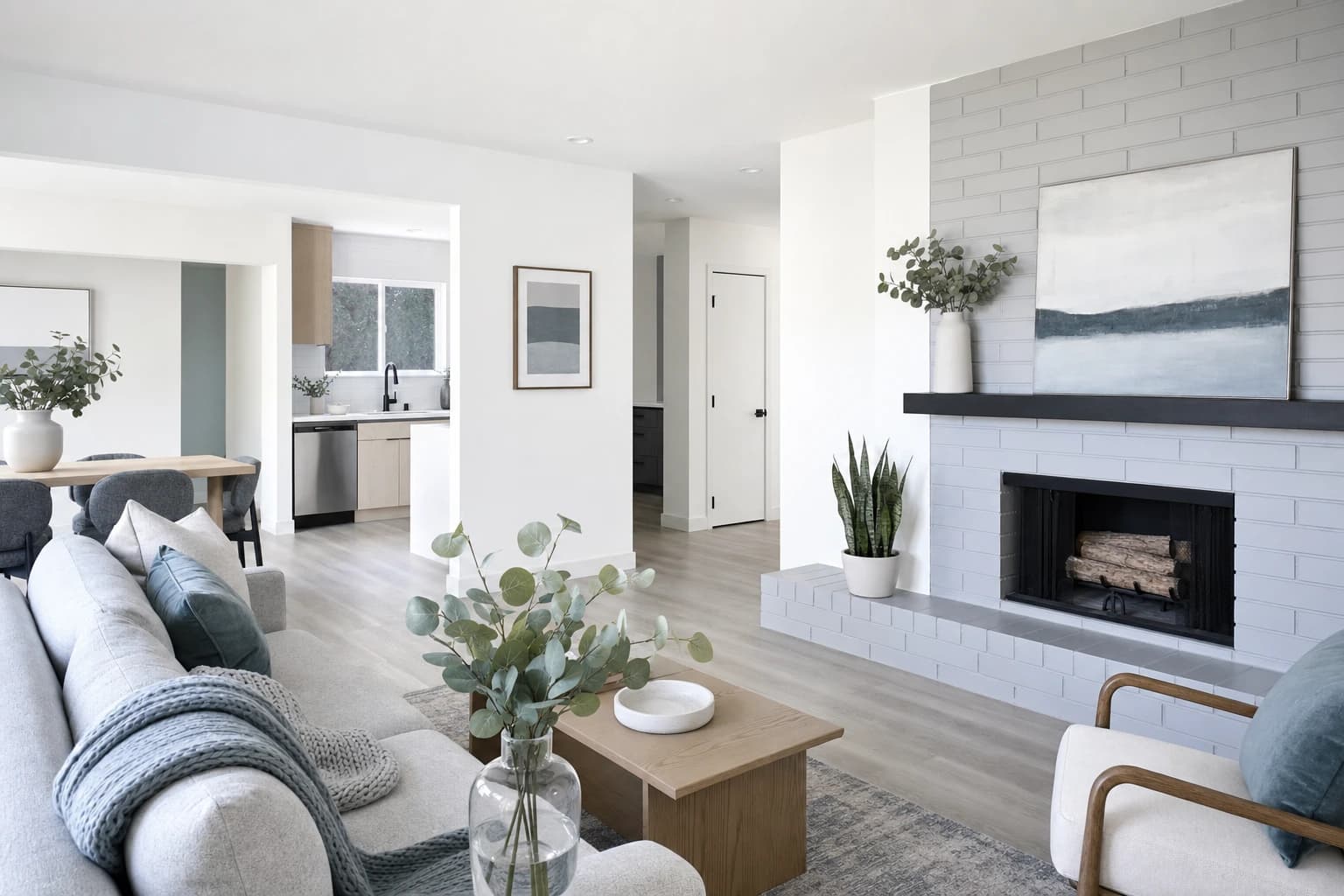
Drive through Arden-Arcade, Carmichael, Citrus Heights, or Rancho Cordova and you'll see them everywhere: single-story ranch homes built between the 1950s and 1970s, long and low to the ground, with wide eaves, big picture windows, and original hardwood hiding under decades of carpet. These houses have great bones. What they usually don't have is a kitchen or bathroom anyone has touched since the Carter administration.
That gap is exactly the opportunity. A mid-century ranch that feels tired and chopped-up on the inside can become one of the most desirable homes on the block, open, light, and modern, without losing the warmth and proportions that make these houses special in the first place.
We're VDO Remodeling, a licensed B-2 interior remodeling contractor based in Rancho Cordova (CSLB #1107954). We remodel a lot of these ranch homes for Sacramento County homeowners, and we've learned where the rewards are, where the surprises hide, and how to honor what's worth keeping. This guide walks you through it.
Why Sacramento's Ranch Homes Are Worth Remodeling
Before you knock anything down, it helps to appreciate what a mid-century ranch already gets right. A lot of those original choices are exactly what buyers want again today.
- Single-story, flowing floor plans. No stairs, wide hallways, and rooms that connect logically. Aging-in-place buyers and young families both love this.
- Real materials. Solid-core doors, oak and fir flooring under the carpet, plaster walls, and full-dimension framing lumber that's denser than anything at the lumberyard today.
- Generous glass. Picture windows and sliders that pull in Sacramento's light, an enormous asset once you brighten the finishes around them.
- Good proportions. Eight-foot ceilings, honest room sizes, and a horizontal calm that newer tract homes rarely match.
The job, then, isn't to erase the mid-century character. It's to keep the soul of the house and update everything that has aged badly: the closed-off galley kitchen, the pink-tile bathroom, the dark paneling, the popcorn ceilings.
The Kitchen: Opening Up a Closed-Off Galley
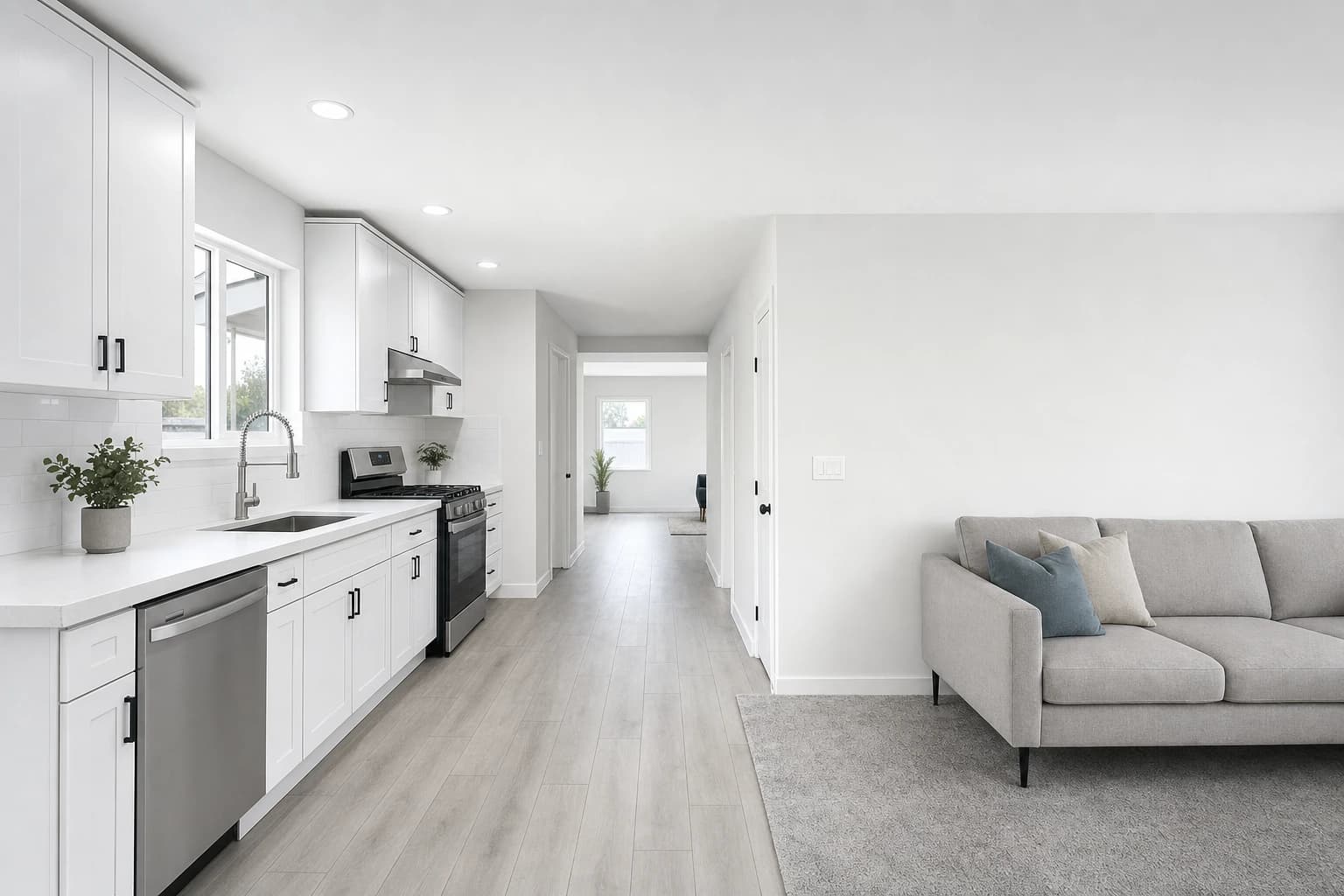
The most common request we hear on a ranch remodel is some version of "can you open up this kitchen?" Mid-century kitchens were built as separate, utilitarian rooms, often a narrow galley walled off from the dining and living areas, and by modern standards they feel cramped and isolated.
The good news is that the wall between a ranch kitchen and the adjacent room is frequently non-load-bearing, a simple partition that can come out as part of an interior remodel to create the open kitchen-to-living flow buyers expect.
Removing the Wall (and Being Honest About Which Walls)
Here's where straight talk matters. Under our B-2 license, we routinely remove non-load-bearing partition walls to open a galley kitchen into the dining or living space, along with the drywall, electrical, and finish work that goes with it. That alone transforms how a ranch feels.
What we do not do is remove a load-bearing wall. Many ranch homes have a central bearing wall running the length of the house. Taking that out safely means engineered beams, posts, and a structural plan, work that belongs to a B general contractor and a structural engineer. We'll tell you plainly at the consultation which kind of wall you have and bring in the right specialist when the project calls for one. Be cautious of anyone who waves off that distinction.
What an Opened-Up Ranch Kitchen Includes
- New semi-custom cabinets in clean, flat-panel or shaker styles that nod to the era without feeling like a costume.
- Quartz countertops and a full-height backsplash, a durable, low-maintenance upgrade from the original tile-and-grout counters.
- A peninsula or island where the old wall used to be, often with seating that anchors the new open layout.
- Recessed and under-cabinet LED lighting to brighten a room that originally had a single ceiling fixture.
- Refinished or new flooring carried through from the kitchen into the adjoining space so the opened-up rooms read as one.
Keeping the sink, range, and refrigerator close to their original locations is the smartest way to control cost on a ranch kitchen. The existing plumbing and electrical were roughed in for those spots, and working within them, rather than relocating mains, is squarely in our B-2 wheelhouse.
The Bathrooms: From Pink Tile to Spa-Calm
If your Carmichael or Citrus Heights ranch still has its original bathroom, you know the look: a wall of glossy pink, mint, or seafoam tile, a steel tub, a tiny vanity, and a single bulb-bar light over the mirror. A mid-century bath remodel within the existing footprint typically includes:
- New tile in a large-format, low-grout layout that reads modern and is far easier to clean than the original 4x4 mosaic.
- A new vanity with real drawer storage, often a low, horizontal piece that fits the ranch's design language.
- A frameless glass shower or a clean tub-and-surround, replacing the dated enclosure and visually opening the room.
- Updated, properly vented lighting and a quiet exhaust fan, often the first real ventilation the room has ever had.
- New fixtures and a comfort-height toilet, swapped within the existing rough-in locations.
As with the kitchen, the cost-control rule is the same: keep the plumbing where it is. Ranch baths rarely benefit from moving the toilet or shower drain, and staying within the existing layout keeps the project firmly in interior-remodel territory.
Working With the Quirks of Older Construction
This is the part that separates a contractor who has actually remodeled mid-century homes from one who hasn't. A ranch built in 1962 doesn't behave like new construction, and a good crew plans for that on day one instead of discovering it mid-project.
Plaster Walls Instead of Drywall
Many Sacramento ranch homes have plaster over wood lath or rock lath, not modern drywall. Plaster is harder, heavier, and more brittle. Cutting into it cleanly, patching it so the repair disappears, and matching texture takes a different touch than hanging a sheet of drywall. We score before we cut, support the surrounding field, and feather repairs so you can't find the seam afterward.
Original Wiring Remnants
Homes from this era can still have remnants of cloth-wrapped wiring, ungrounded two-prong circuits, or an undersized panel that was never meant to run a modern kitchen. When we open a wall and find dated wiring in the work area, we bring in a licensed electrician to bring that section up to current code, dedicated circuits for the kitchen, grounded outlets, GFCI protection where required. We work within your existing service and panel; if the whole panel needs upgrading, that's a conversation we'll have honestly rather than burying it.
Dated Tile, Layered Flooring, and Hidden Hardwood
Ranch floors are often an archaeological dig: carpet over vinyl over the original oak. Frequently that hardwood is in good enough shape to refinish, which is both cheaper and more characterful than new flooring. Original wall and counter tile, set in thick mortar beds, takes real demo effort to remove cleanly without cracking the plaster around it. We price that honestly up front instead of treating it as a surprise change order later.
Walls That Aren't Square and Floors That Aren't Level
Sixty-year-old homes settle. Door openings rack, floors dip, and corners drift out of square. New cabinets, tile, and vanities have to be shimmed and scribed to fit a house that has moved over the decades. That fussy fitting work is invisible when it's done right and glaringly obvious when it isn't.
Modernizing Interior Finishes Without Erasing the Character
Beyond the kitchen and baths, a handful of finish updates do an enormous amount of work in a ranch home, and they're some of the highest-value, lowest-drama parts of the project:
- Removing popcorn ceilings and finishing them smooth instantly modernizes every room.
- Replacing hollow doors and dated trim with clean, simple profiles that suit mid-century lines.
- Refinishing original hardwood rather than covering it, a signature ranch move.
- A bright, cohesive paint palette to replace dark paneling and heavy mid-century color, letting all that original glass do its job.
- Updated interior lighting, recessed cans and modern fixtures, to lift rooms that were built around a single overhead bulb.
The goal throughout is restraint. The best ranch remodels don't shout. They keep the horizontal calm, the warm wood, and the connection to light that made these homes appealing in 1965, and quietly bring everything else into 2026.
A Realistic Budget for a Sacramento Ranch Remodel
Costs vary with scope, but for planning purposes, here's roughly where Sacramento County ranch projects land:
- Kitchen, opened up with new cabinets and quartz: commonly $30,000 - $65,000, with the wall removal and electrical updates being the swing factors.
- Full bathroom remodel within the footprint: commonly $15,000 - $30,000 depending on finish level.
- Contingency: carry 10% to 15% on any older home. Plaster, wiring remnants, and out-of-square framing are exactly the kind of surprises a ranch can hold.
An accurate number only comes from walking the house. An online estimate can't see the back of your panel, what's under the carpet, or whether the wall you want gone is carrying the load. The walk-through is where the real planning happens.
Honoring the Home, Done Right
A mid-century ranch is one of the most rewarding homes to remodel because it already has so much going for it. The work is less about reinvention and more about editing: opening the right walls, brightening the finishes, modernizing the kitchen and baths, and respecting how these houses were actually built.
At VDO Remodeling, we've spent years inside Sacramento County's ranch homes, from Arden-Arcade and Carmichael to Citrus Heights, Rancho Cordova, Fair Oaks, and Folsom. We know where the hardwood is hiding, how to make a plaster patch disappear, and exactly which wall you can take out, and which one needs a structural engineer and a B general before anyone touches it. That honesty is part of the craft.
Thinking about bringing your mid-century ranch up to date? Call or text VDO Remodeling at (916) 232-5571 for a free, no-obligation in-home consultation. Licensed B-2 contractor, CSLB #1107954, serving Sacramento County with honest, line-item pricing.